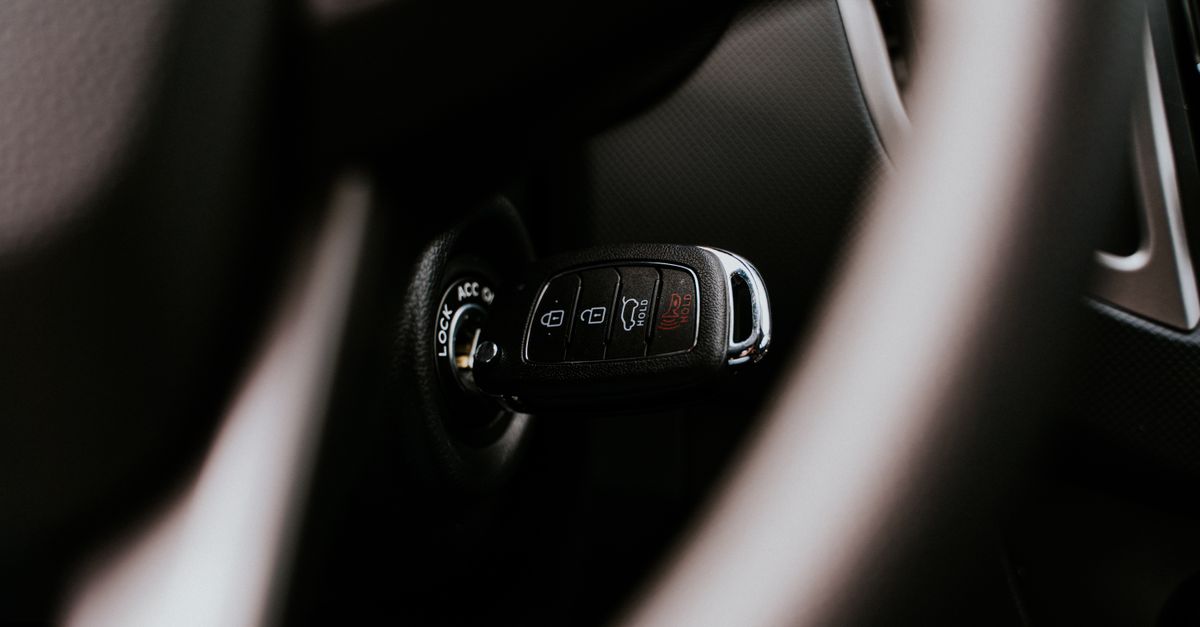
Hyundai Key Types: What You're Actually Dealing With
Not all Hyundai keys are created equal, and the type your vehicle uses has a direct impact on how replacement is handled. Older Hyundai models — roughly pre-2000 — used basic metal cut keys with no electronics at all. From the early 2000s onward, Hyundai shifted to transponder keys: the plastic head of the key contains a small chip that communicates with the car's immobilizer module. If that chip isn't present or isn't programmed to your specific vehicle, the engine won't start even if the key turns the ignition perfectly. Mid-range and newer models added remote functionality, combining the transponder and the fob into one remote head key. Vehicles like the Elantra HEV, Ioniq, and higher trim Santa Fe and Sonata models often use proximity smart keys — the kind you keep in your bag or pocket while the car detects your presence and allows push-button start.
Understanding which system your Hyundai uses matters because programming a smart key requires a two-way communication process between the key fob and your vehicle's ECU, and that process needs specialized OBD-II based programming equipment — not a generic blank and a key-cutting machine alone. Our technicians arrive stocked for all of these scenarios, so whether you drive an older Tucson with a basic transponder or a newer Kona with a proximity fob, we can cut and program a working replacement key at your location.