
What Is a Mortise Lock and Why Does It Wear Out?
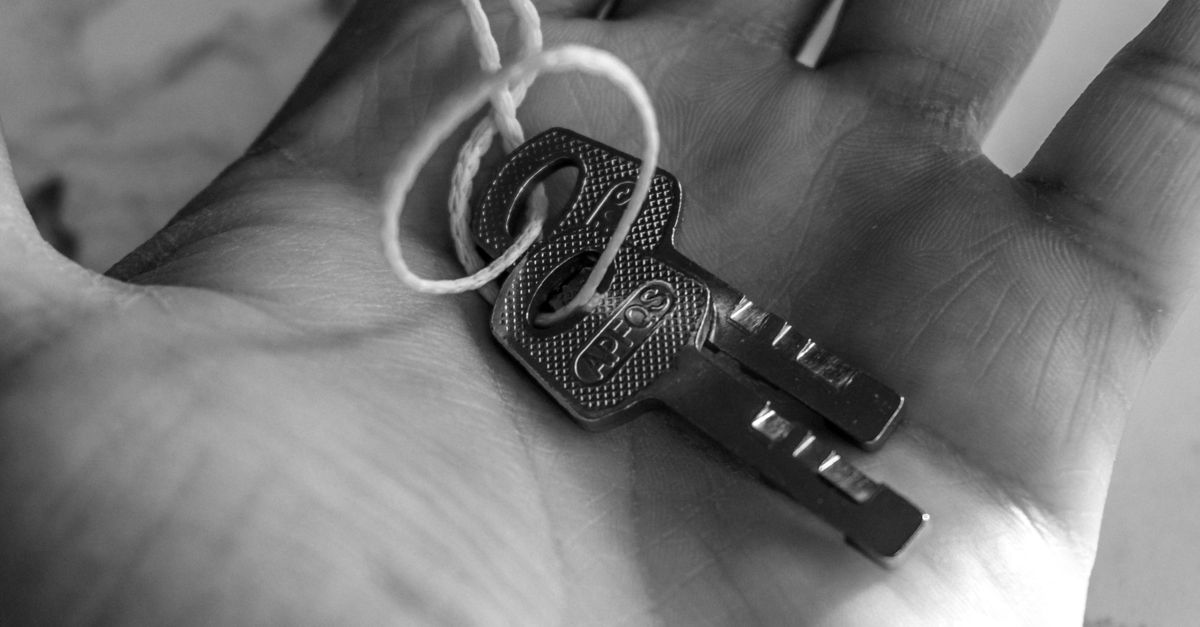
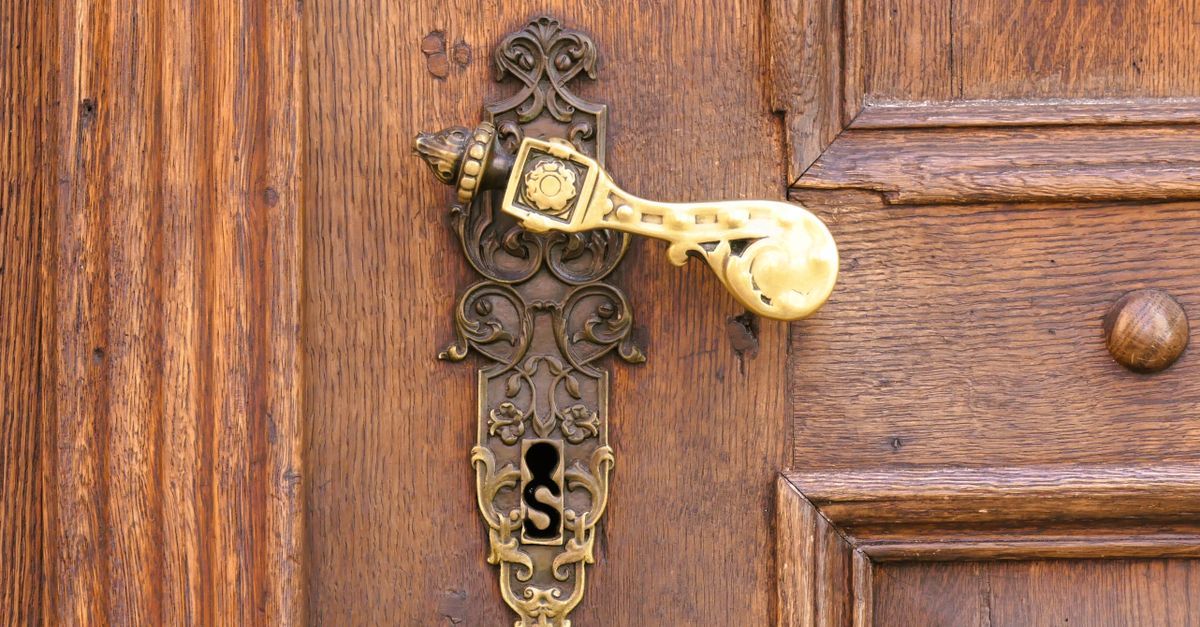
A mortise lock is a lock body that is recessed into a precisely routed pocket — the mortise — cut into the edge of the door. Unlike a cylindrical bored lock (the type most people associate with a simple door knob lock), a mortise lock set houses the latch, deadbolt, and all internal mechanisms inside a single rectangular steel or brass case. That integrated design gives it exceptional strength and a smooth, controlled feel when new — but it also means there are more moving parts in close proximity, all of which accumulate wear over years of daily use.
Inside the lock body, a series of springs, cams, and case followers convert handle rotation and key turns into latch and bolt movement. In Florida's climate, seasonal humidity cycles cause wood doors to swell and contract slightly, which adds lateral stress to the lock body every time the door is operated. Over time, springs fatigue, tailpieces crack, and the mortise cylinder — the removable plug that accepts your key — develops worn wafers or pins that make the lock feel gritty or refuse to turn at all. On older Parrish properties where locks haven't been serviced in a decade or more, corrosion inside the case accelerates all of this damage significantly.