Manatee Locksmith Service Team
Local locksmith team
Aug 6, 2026 3 min read
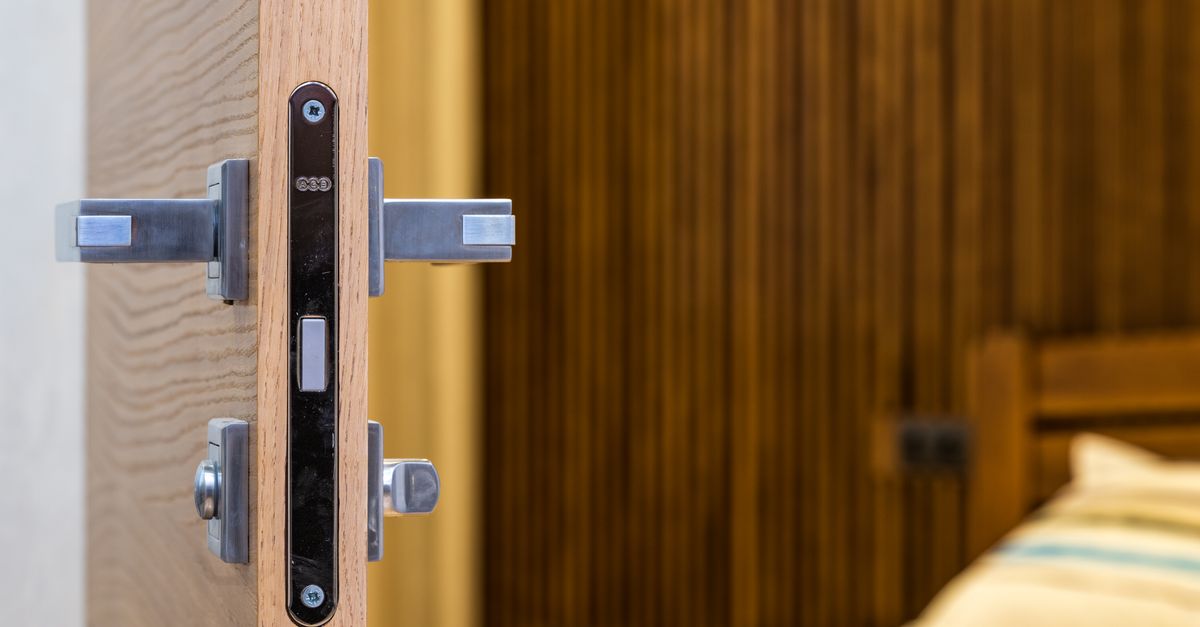
If you've ever grabbed a door handle in an older Parrish home and noticed a large, boxy metal plate on the edge of the door — the kind with multiple moving parts and a keyhole that looks like it belongs on a Victorian treasure chest — you were almost certainly looking at a mortise lock. These locks are far more common in Manatee County than most homeowners realize, especially in neighborhoods along U.S. 301 and in older construction near Fort Hamer Road, where homes built in the 1970s through early 2000s frequently used mortise hardware as a standard feature.
Understanding what you have on your door matters. Mortise locks operate completely differently from the cylindrical knob-and-deadbolt combos you'll find at a big-box hardware store, and treating them the same way leads to costly mistakes — wrong replacement parts, improper installation, and doors that no longer latch correctly. This guide will help you identify a mortise lock on your own door, explain why these locks are still so common in the Parrish area, and walk you through the practical question every homeowner eventually faces: repair it, or replace it?
Frequently asked questions
How do I know if my key isn't working because of the cylinder or the mortise case?+
A good quick test: insert the key and feel whether it turns at all or binds immediately. If the key turns partially but the latch or bolt doesn't move, the problem is likely inside the mortise case — a broken cam, worn follower, or fatigued spring. If the key won't turn at all or feels gritty and stiff, the mortise lock cylinder itself is usually the culprit, often from wear or a key that's been copied too many times. Either way, a skilled locksmith can diagnose this in minutes without disassembling anything unnecessarily.
Can a mortise lock be re-keyed so my old keys no longer work?+
Yes, absolutely — and it's one of the most common services we perform. The mortise lock cylinder is removed, the pin tumblers inside are reconfigured to a new key cut, and new keys are cut to match. This is ideal after moving into a previously owned home, after a key goes missing, or any time you want to control who has access. We can also key multiple locks in your home to a single key during the same visit if that's useful.
My exterior mortise lock is so old I can't find a brand name on it — can it still be repaired?+
Often, yes. Mortise lock cases are fairly standardized in their internal dimensions, and many components — springs, cams, latch bolts — are interchangeable across brands and eras. Even if the case pre-dates common branding, an experienced locksmith can measure the case, identify the cylinder format, and source compatible parts. The main exception is truly proprietary hardware from defunct manufacturers where the case dimensions fall outside standard ranges — in that scenario, a full case replacement is usually the practical path forward.
Is a mortise lock more secure than a standard deadbolt?+
It depends on the installation and grade, but a properly installed mortise lock generally provides strong resistance to forced entry because the bolt engages the frame deeply and the case is embedded in the door rather than sitting on the surface. That said, lock security is only as good as the door, frame, and strike plate around it. A Grade 1 mortise lock set on a solid door with a reinforced strike plate is an excellent security combination. If you're unsure whether your current setup is up to the task, our team can assess the full door assembly — not just the lock — and give you an honest recommendation.